By Gary Shepherd, Managing Director at James Ramsay
In many industrial environments, steam systems are the silent workhorses – vital, but often overlooked. Many of these systems are decades old, running on outdated controls, inefficient equipment and minimal data insights. In the age of Industry 4.0, this simply isn’t sustainable.
We’ve spent years helping clients modernise steam systems without disrupting operations. The truth is, legacy doesn’t have to mean obsolete. With targeted upgrades, intelligent sensors and automation, traditional steam networks can be transformed into smart and efficient future-ready infrastructure.
The legacy challenge: more common than you think
It’s not unusual to walk into a site and find steam systems that haven’t been touched in 20 or 30 years. Boilers run manually, traps go unchecked and energy loss goes unmeasured. Yet the challenge of upgrading isn’t just the age of the equipment; it’s the fear of downtime and disruption.
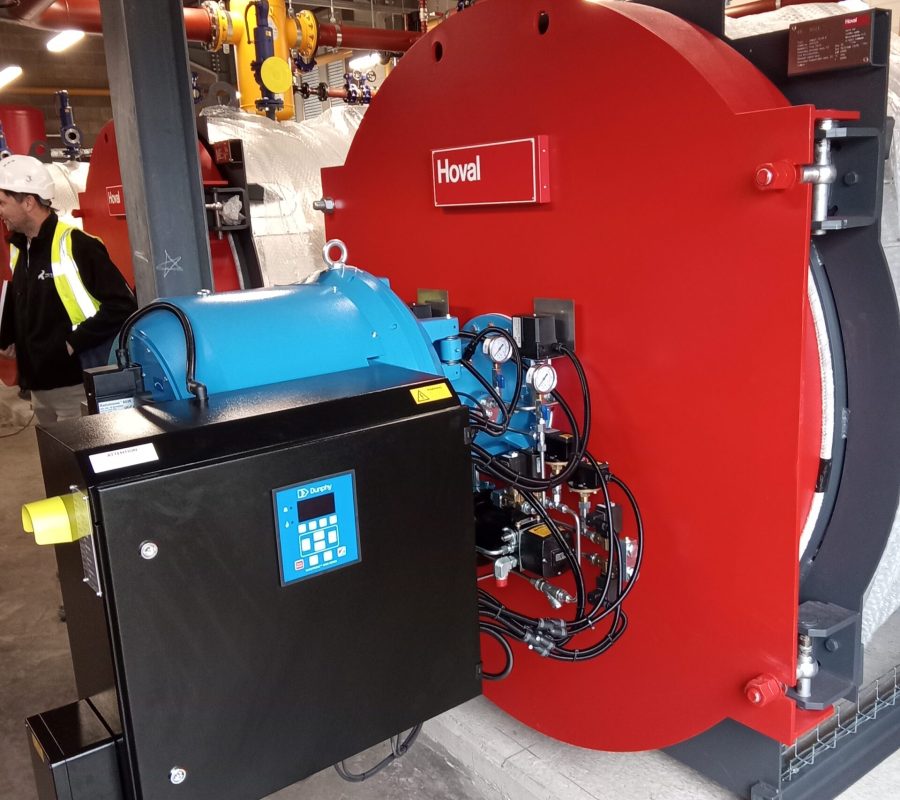
What we’ve learned is that modernisation doesn’t have to be an overhaul. In most cases, it’s a strategic retrofit: upgrading a few key components – like steam traps, valves or insulation – paired with data-driven monitoring and control systems. The result? Improved reliability, lower energy bills and a clearer path to net zero.
Smarter steam: the power of automation
One of the biggest wins comes from automation and remote monitoring. Integrating smart sensors, flow meters and control systems allows for real-time insight into steam usage, pressure, temperature and losses. With this visibility, engineers can fine-tune systems, prevent failures and spot inefficiencies before they become costly problems.
We’ve implemented automated solutions where clients can remotely monitor steam systems from a laptop or mobile device – tracking performance, energy use and even emissions. This shift reduces manual checks, improves safety and supports a predictive maintenance strategy. It’s not just more efficient; it’s more intelligent.
Energy and cost savings, engineered in
The gains from modernisation and automation aren’t theoretical, they’re measurable. Clients have seen up to 20% reductions in energy consumption simply by upgrading controls and addressing hidden losses. In one recent case, remote monitoring of a site’s condensate return system revealed a persistent energy loss that had gone undetected for years. A simple valve upgrade saved thousands in annual fuel costs.
The future is engineered
Industry 4.0 is not just for new facilities. With the right expertise, legacy steam systems can be modernised in phases, with minimal disruption and maximum return. Our approach is grounded in practical engineering, helping clients navigate the transition with clarity, control, and confidence.
The journey to smarter steam isn’t about complexity – it’s about connectivity, control and common sense.