By Jamie Shepherd, Service Director at James Ramsay
In facilities management, the phrase “fit and forget” is often used to describe low-maintenance solutions. But when it comes to steam systems, that mindset can be costly – both financially and operationally.
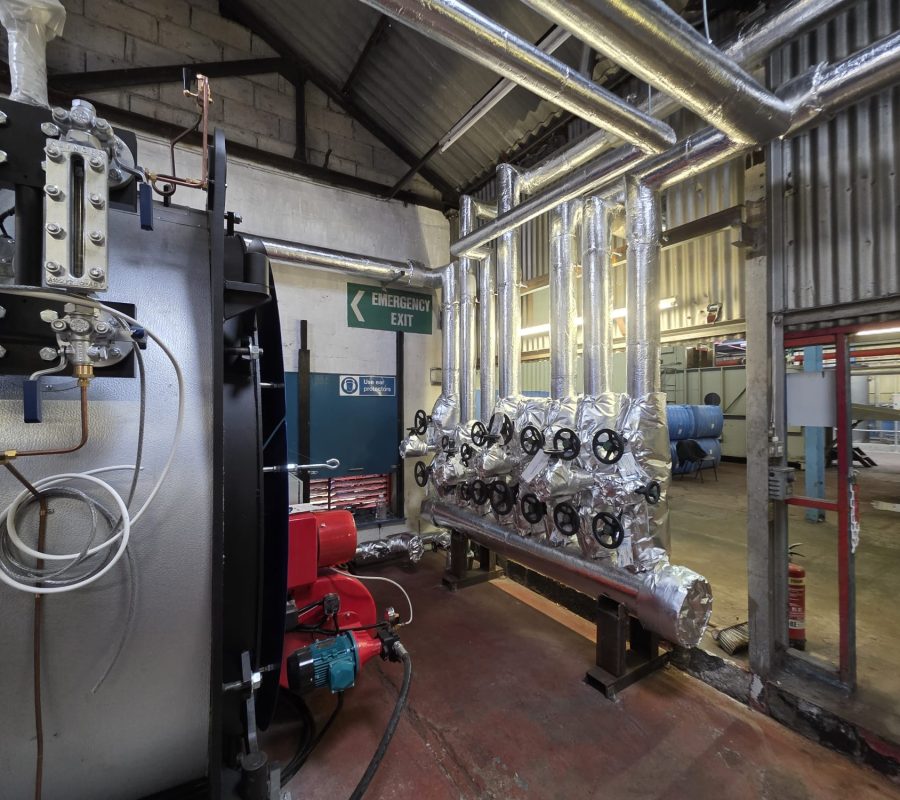
Steam systems are complex, high-performance infrastructures that rely on the continuous interplay of valves, traps, controls, and heat-exchange equipment. Unlike static assets, steam systems are dynamic: they expand, contract, wear, foul and age. That makes proactive maintenance not just advisable, but essential.
Our servicing team sees daily evidence that reactive, breakdown-led maintenance drives up costs, wastes energy and undermines safety. In this article, we make the case for planned, proactive servicing and share insights into how forward-thinking maintenance can extend asset life, reduce emissions and cut downtime.
The risks of reactive maintenance
Steam systems often operate out of sight and out of mind. That is, until something goes wrong. But by the time an issue becomes visible – be it a failed trap, water hammer or pressure imbalance – it’s likely that inefficiency has already been suffered for months.
Some common failures we see include:
- Blocked or leaking steam traps, resulting in condensate buildup or live steam loss.
- Corroded pipework and fittings due to undetected water ingress or pH imbalance.
- Heat exchanger inefficiencies, leading to longer heat-up times and reduced output.
- Boiler cycling or dry running, often triggered by upstream issues in the condensate return line.
These failures can appear isolated, but they rarely are. In most cases, they’re symptoms of neglected or incomplete servicing practices.
Proactive maintenance: what it really means
Proactive maintenance isn’t just “servicing by schedule.” It’s a strategic approach to keeping steam systems efficient, safe and compliant throughout their lifecycle.
At James Ramsay, our proactive servicing model includes:
- Steam trap surveys using ultrasonic and thermal diagnostics to identify inefficiencies before failure occurs.
- Routine inspection and calibration of control valves, PRVs, and level controls to maintain stability and responsiveness.
- Flushing and treatment checks to prevent corrosion and scaling within pipework and equipment.
- Condensate system analysis to verify pump performance, detect backpressure issues and optimise return flow.
- Trend tracking and service reports, providing clients with insights on system health and energy usage.
This approach enables us to identify and address any issues early on, before they escalate into expensive repairs or energy losses.
The hidden ROI of regular servicing
The cost of routine maintenance is often a fraction of the cost of running a poorly performing steam system. For example, a single failed steam trap can waste hundreds of kilograms of steam per day, costing thousands in lost energy annually; a malfunctioning pressure reducing valve can destabilise an entire process line, affecting output quality and consistency; and a neglected condensate return system will reduce boiler efficiency and increase the burden on water treatment and fuel use.
In contrast, a proactive maintenance programme typically delivers: lower energy bills through optimised performance and reduced steam loss; improved uptime with fewer unplanned shutdowns; extended equipment life, reducing capital expenditure on premature replacement; enhanced safety, particularly in avoiding incidents related to high-pressure failures, water hammer or pipe rupture.
And crucially, it supports compliance with insurance, HSE and industry requirements for steam system safety and performance.
Maintenance in a net-zero world
As organisations set carbon reduction targets, every kilogram of steam counts. Steam is an efficient energy carrier, but only when used wisely. Regular servicing is one of the simplest ways to reduce fuel consumption, improve boiler performance and cut CO₂ emissions – without changing core infrastructure.
For many of our clients, investing in a proactive servicing contract has been a vital part of their journey toward sustainability and cost control.
Make maintenance a strategy, not a sideshow
Steam systems are not “fit and forget.” They are industrial energy systems with high value, and high risk, when not maintained correctly. In an era where efficiency, reliability, and sustainability are non-negotiable, a reactive approach simply won’t do.
At James Ramsay, we offer more than just parts and repairs. Our servicing department partners with facilities and energy managers to deliver dependable, system-wide maintenance support that protects performance from the boiler house to the point of use.
If you haven’t reviewed your steam servicing strategy recently, now’s the time. Don’t wait for failure, engineer for success.
Arrange a system audit with our servicing team:
info@jamesramsayltd.co.uk | 0141 774 2602